Why energy-efficient home design & construction matters
The concept of a sustainable house is deeply intertwined with energy-efficient home design and construction, creating spaces that are not only comfortable and functional but also reduce their environmental impact and operational costs. Harris Build prides itself on integrating sustainable thinking into every project, ensuring that the homes we construct are high-performance and future-ready.
Read on if you're interested in learning more about how to design and build an energy-efficient home.
Understanding energy efficiency in home design
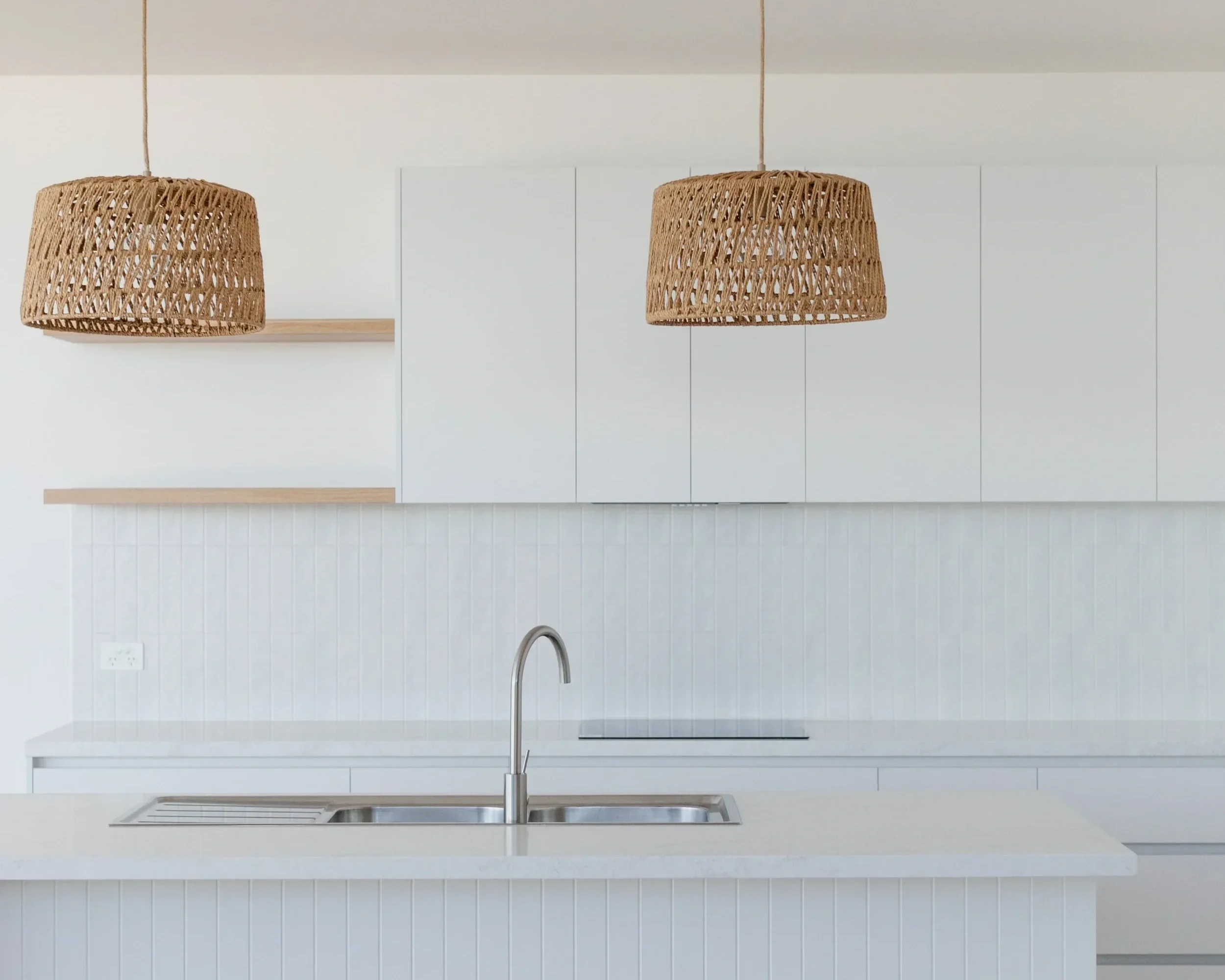
Energy efficiency in home design is a critical aspect of modern building, focusing on reducing the amount of energy required to heat, cool, and operate a house. This involves a comprehensive approach to design and construction, where every component of the home contributes to its overall energy performance. As a builder, Harris Build understands that an energy-efficient home is a cornerstone of sustainable living, offering long-term benefits to homeowners and the environment alike.
The importance of energy efficiency
The importance of energy efficiency cannot be overstated, especially at a time where energy costs are a growing concern and environmental impact is a key consideration. Designing an energy-efficient home means creating a space that uses less electricity for heating, cooling, and lighting, significantly reducing utility bills and carbon emissions. Harris Build ensures that every new home is designed with this principle in mind, making a practical decision for both financial savings and environmental stewardship.
Key principles of energy-efficient home design
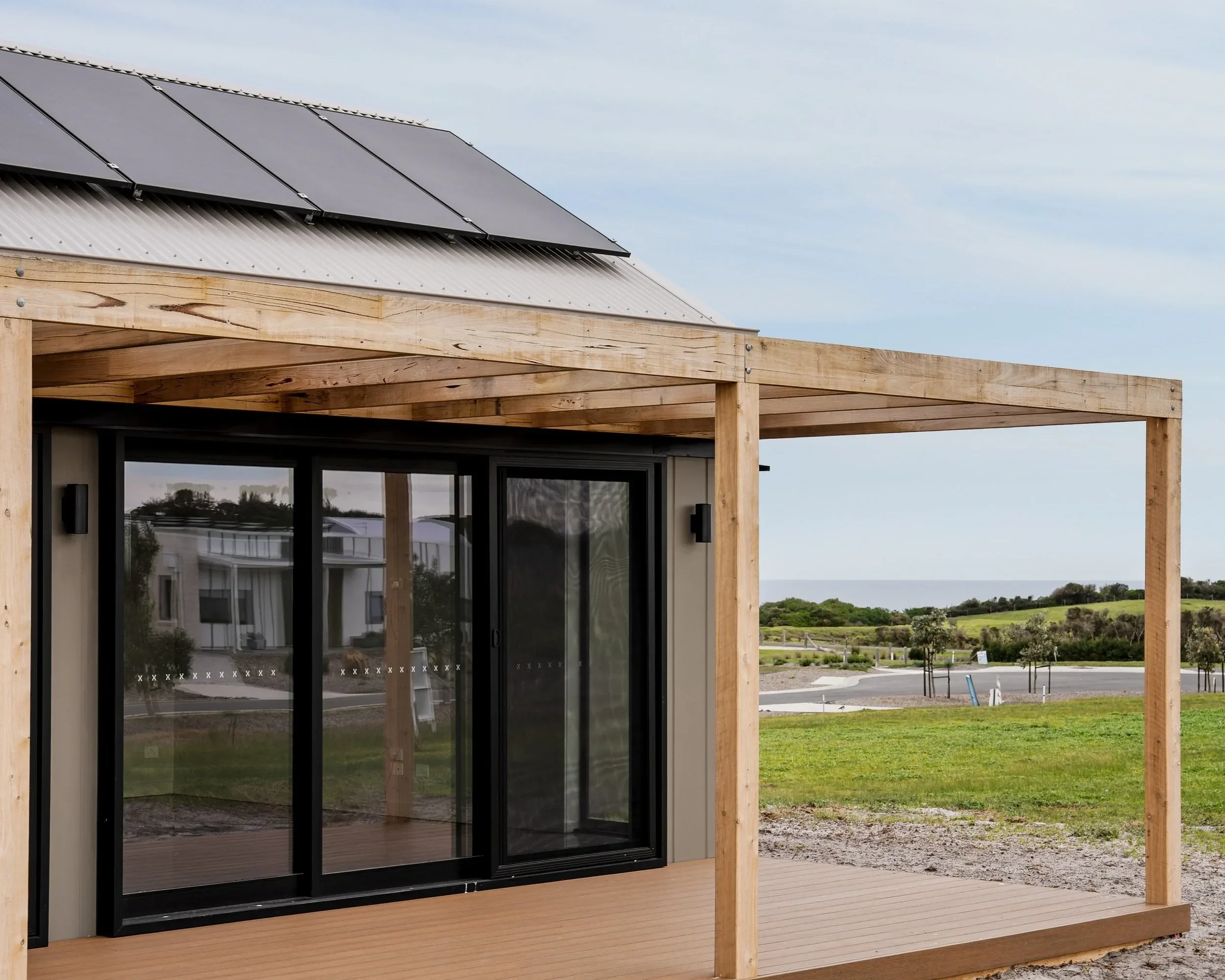
Key principles of energy-efficient home design involve a holistic approach that considers several factors from the initial planning stages. This includes optimal site orientation to harness natural light and solar heat gain in winter while minimising heat in summer, strategic window placement for natural ventilation, and superior insulation in walls, roofs, and floors. High-performance windows, airtight construction practices, and efficient heating and cooling systems like heat pumps are also crucial. Harris Build integrates these elements to achieve an impressive energy star rating for every project.
Benefits of designing for energy efficiency
The benefits of designing for energy efficiency extend beyond mere cost savings; they encompass enhanced indoor comfort, improved air quality, and a reduced carbon footprint. An energy-efficient home maintains more stable indoor temperatures, reducing the reliance on artificial heating and cooling and thereby lowering energy bills. Harris Build’s commitment to sustainable building ensures that these homes not only look beautiful but also provide a more comfortable living environment for homeowners, proving that quality construction can go hand-in-hand with environmental responsibility.
Construction techniques for
energy-efficient homes
Energy-efficient homes are not merely designed; they are meticulously constructed using innovative techniques and materials that significantly enhance their thermal performance and reduce energy costs. Harris Build incorporates cutting-edge construction practices, ensuring that every house we build stands as a testament to both sustainable living and high energy efficiency. Our focus is on creating beautiful homes that are comfortable, functional, and have a minimal environmental impact, delivering long-term value to the homeowner.
Materials that enhance energy performance
The choice of materials is paramount in enhancing a home's energy performance, especially in the Bass Coast, Mornington Peninsula and South Gippsland regions.
Harris Build prioritises materials with excellent insulation properties for walls, roofs, and floors, effectively creating a thermal envelope that minimises heat transfer. High-performance windows with double or triple glazing are essential to prevent heat loss in winter and heat gain in summer, while airtight construction practices reduce drafts and uncontrolled air leakage. These material choices are a practical decision to significantly reduce the energy needed for heating and cooling, contributing to lower energy bills and a smaller carbon emission footprint.
Building smarter for energy efficiency
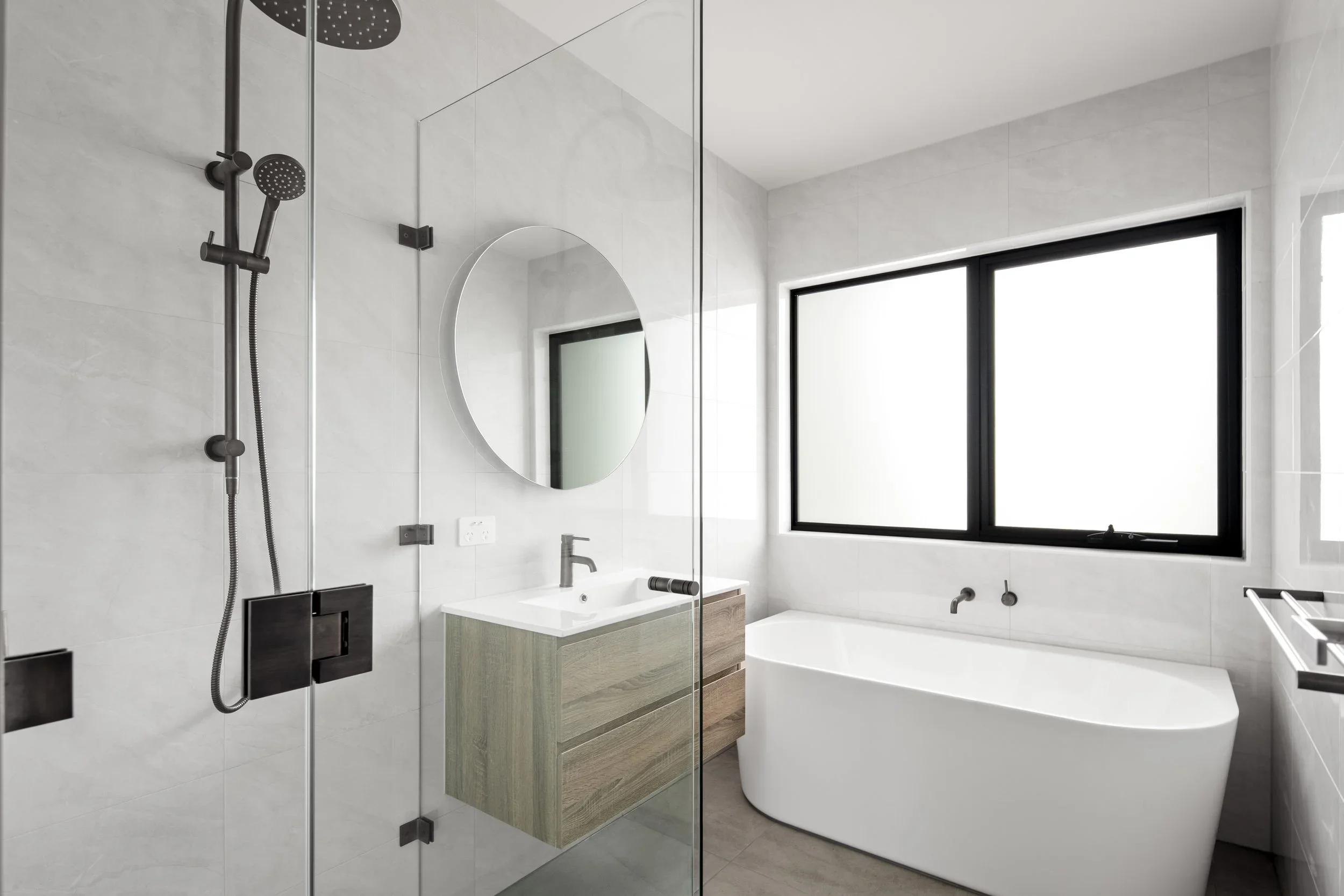
Real energy efficiency isn't one thing – it's the insulation, windows, heating, cooling, and the home's layout all working together instead of each doing its own job. Things like solar panels placed to make the most of the sun, and heat pump systems that heat and cool efficiently make a real difference. Good ventilation also keeps the air quality high without letting heat escape. Harris Build brings all of this together to build homes where every part is chosen to save energy and keep people comfortable.
Building sustainably from the ground up
Building sustainably means making the environmentally smart choice at every step, not just here and there. For Harris Build, that's not an afterthought: it's part of the plan from day one, right through to handover. That means orienting the house to make the most of natural light and airflow, sourcing materials responsibly, and cutting down on waste on site. The result is homes that aren't just energy efficient, but genuinely better for the local environment and for the people living in them.
Energy efficiency ratings and standards
Understanding energy efficiency ratings and standards is crucial for homeowners and builders alike, as these benchmarks provide a clear measure of a home’s energy performance. Harris Build is committed to meeting and exceeding these standards, ensuring that our energy-efficient homes deliver superior comfort and significantly reduce energy costs. These ratings are a practical tool to assess a home's environmental impact and its long-term cost of living.
Understanding the NatHERS rating system
The NatHERS (National House Energy Rating Scheme) system is Australia's primary tool for assessing the thermal performance of a house, providing a star rating out of ten. This system evaluates a home's design based on its ability to heat and cool the space effectively with minimal artificial energy input. Harris Build utilises NatHERS analysis during the design phase to optimise orientation, insulation, and window placement, ensuring each new home achieves an impressive energy efficiency rating that reflects our commitment to sustainable living and reduced energy bills.
How energy ratings shape home design
Energy ratings play a big part in how a home gets designed. A higher NatHERS star rating pushes builders like us to use things like better insulation, smarter windows, and passive solar design (basically, using the sun and airflow to your advantage instead of only relying on heating and cooling). It's a bit of back-and-forth between design and testing, fine-tuning everything from the floor plan to the materials used, so the finished home stays comfortable year-round and uses a lot less energy.
Recent updates to energy efficiency standards in Australia
Recent updates to energy efficiency standards in Australia reflect a growing commitment to more sustainable building practices across the nation. These changes often involve increasing the minimum NatHERS star rating requirement and introducing stricter codes for airtight construction and ventilation. Harris Build stays abreast of these evolving requirements, integrating the latest technology and construction techniques into our projects to ensure every energy-efficient home we build is compliant, high-performing and designed for living life well.
Our recently-built energy efficient homes
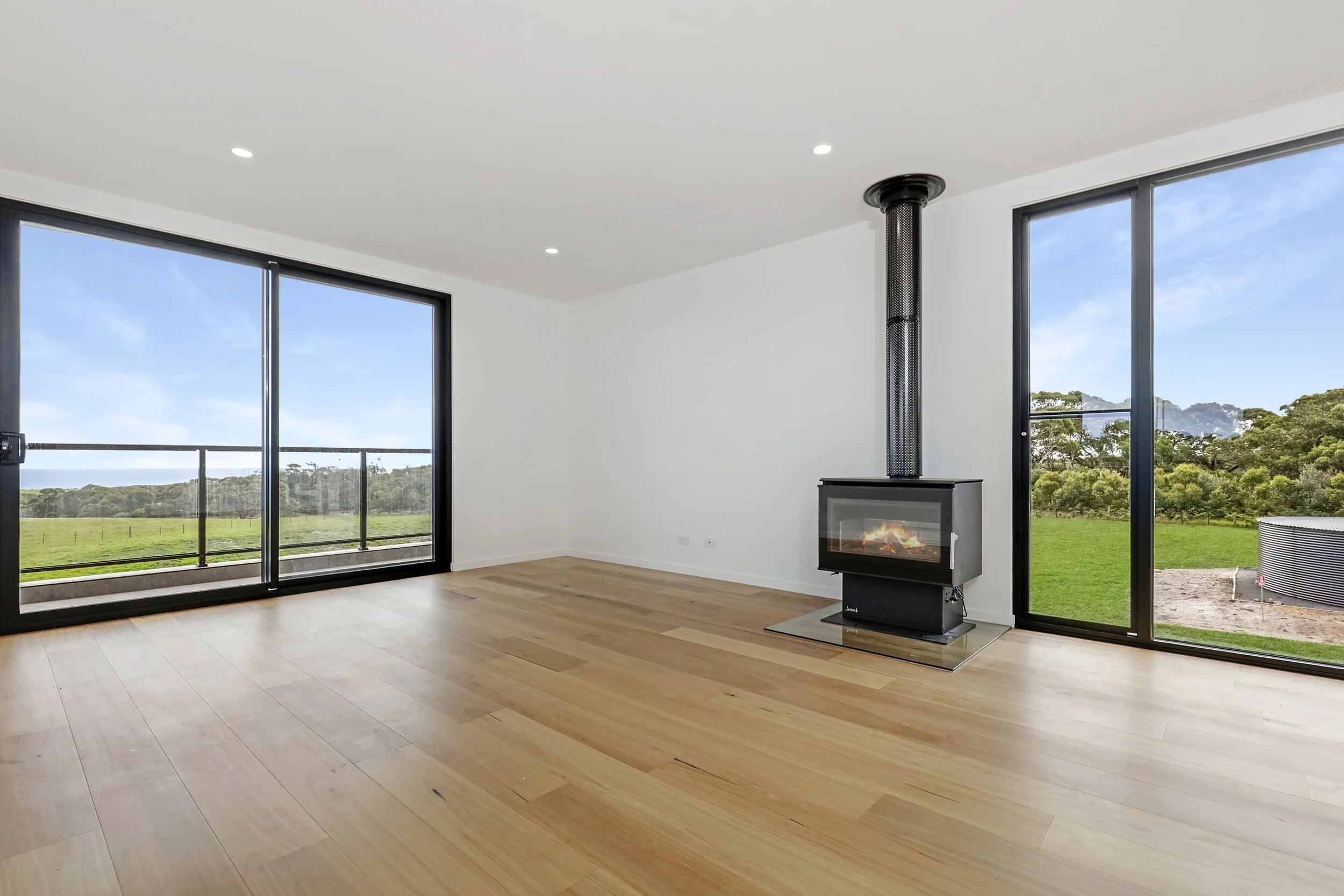
Harris Build has a portfolio of projects showcasing how sustainable building practices translate into beautiful homes with benefits for our clients.
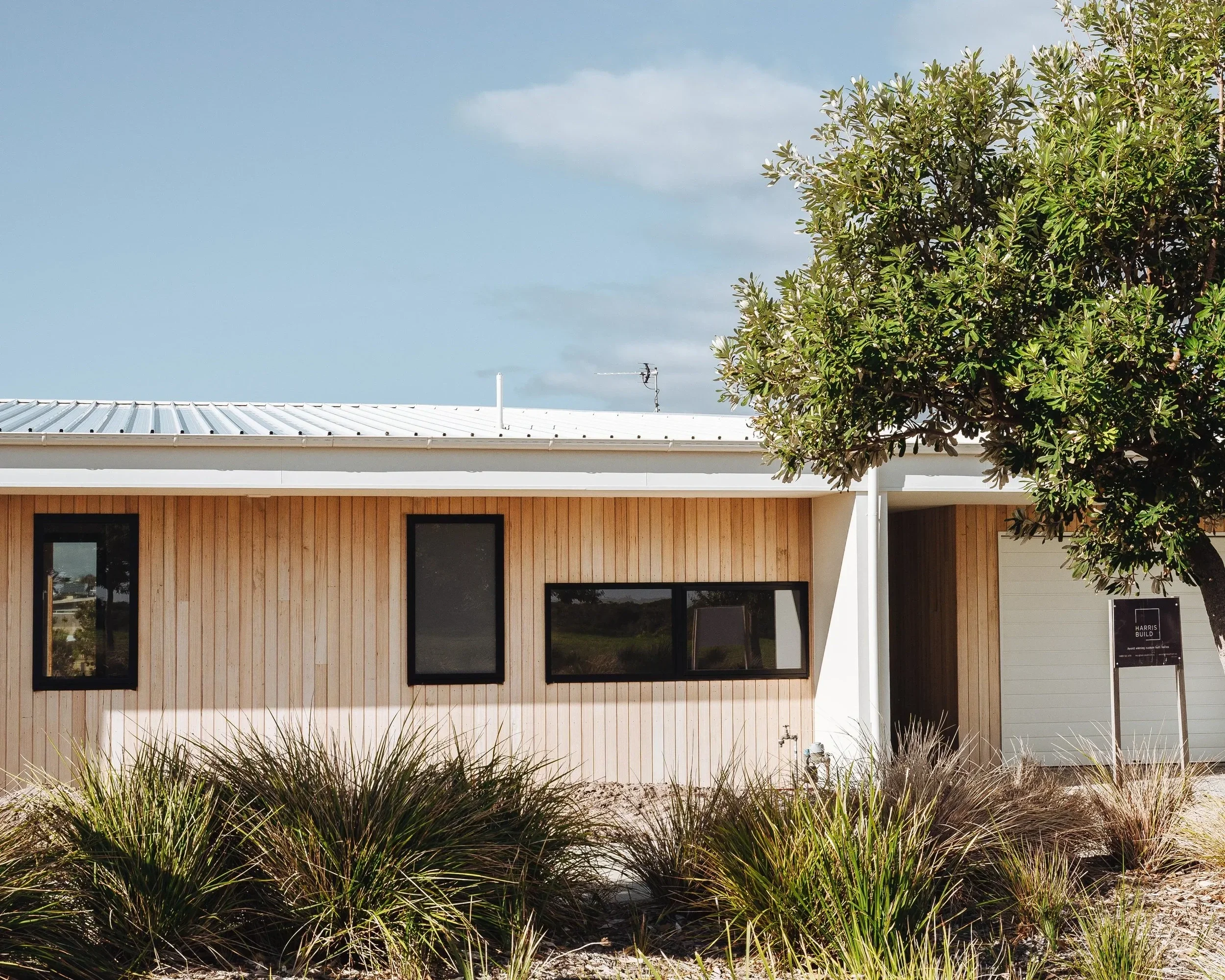
Take this cape paterson home, for example – it landed a 7.6-star NatHERS rating, which is well above what most new builds achieve. It's a good example of what's possible when the design itself does a lot of the work – better comfort, lower energy bills, and a smaller footprint, all baked in from the start rather than bolted on afterwards.
Impact of local knowledge on energy-efficient designs
Our deep local knowledge of the Bass Coast, Mornington Peninsula and South Gippsland regions profoundly impacts our energy-efficient designs. Understanding the specific climate, wind patterns, and solar paths of each area allows us to tailor every energy-efficient home to its unique environment.
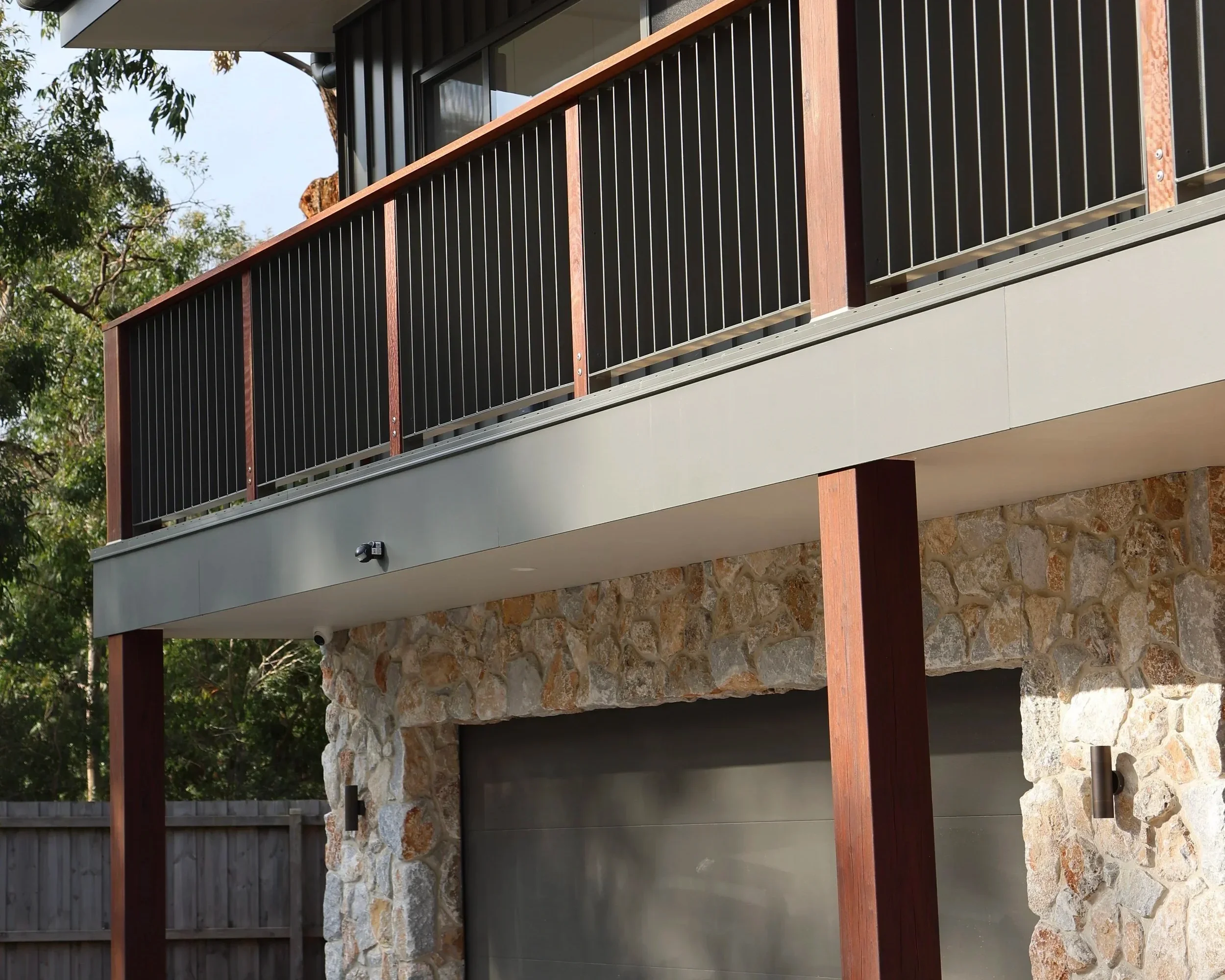
Take this Inverloch home, for instance. The windows were placed to catch the breeze and flood the place with natural light, while still keeping it sheltered from the coastal weather. That's really the whole approach: every home should be designed around where it actually sits, not a one-size-fits-all template. This way, it stays comfortable, uses less energy, and feels like it belongs there. This localised approach ensures that each new home is not only highly energy efficient but also perfectly suited to its surroundings, enhancing comfort and reducing its environmental impact.
The practical aspects of building
an energy-efficient home
Budget considerations for energy-efficient construction
When planning an energy-efficient home, budget considerations are paramount. Harris Build works transparently with clients to ensure an open and honest decision-making process.
While some energy-efficient features, such as high-performance insulation or solar panels, may involve a higher upfront cost, these investments often lead to significant long-term savings on energy bills.
We provide detailed quoting and value management advice, showing how considered material and building system choices reduce energy consumption and improve comfort, resulting in a home that is more sustainable and cost-effective to own over the long term.
Long-term benefits of investing in energy efficiency
At Harris Build, we know that investing in energy efficiency yields substantial long-term benefits for the homeowner and the environment. An energy-efficient home not only drastically reduces ongoing energy costs for heating, cooling, and lighting but also provides superior indoor comfort with stable temperatures and improved air quality. Beyond the financial savings, these sustainable building practices reduce your carbon emissions, lessening your environmental impact. This forward-thinking approach ensures that your new home is a valuable asset, built for durability and performance, embodying a truly sustainable living ethos for decades to come.
Talk with us about designing and building your next home with sustainability in mind.